Home

Bernese Mountain Dogs for Sale

Bernese Mountain Dog Puppies That Are Responsibly Bred, Health Tested, and Family Raised

Welcome to Bernese Mountain Dogs Kennel. We are a family-operated breeding program dedicated to raising healthy, well-socialized Bernese Mountain Dog puppies from health-tested parents. Every puppy is born in our home, raised with structured early socialization, and comes with AKC registration, a written health guarantee, and lifetime breeder support.

AKC Registered OFA Health Tested Lifetime Support
Bernese Mountain Dog puppies for sale at Bernese Mountain Dogs Kennel

Current Availability

Bernese Mountain Dog Puppies for Sale

Each of our Bernese Mountain Dog puppies is born in our home, raised with daily handling and structured socialization, and comes from OFA health-tested parents. Browse our available puppies below and contact us to learn more about any puppy that catches your eye.

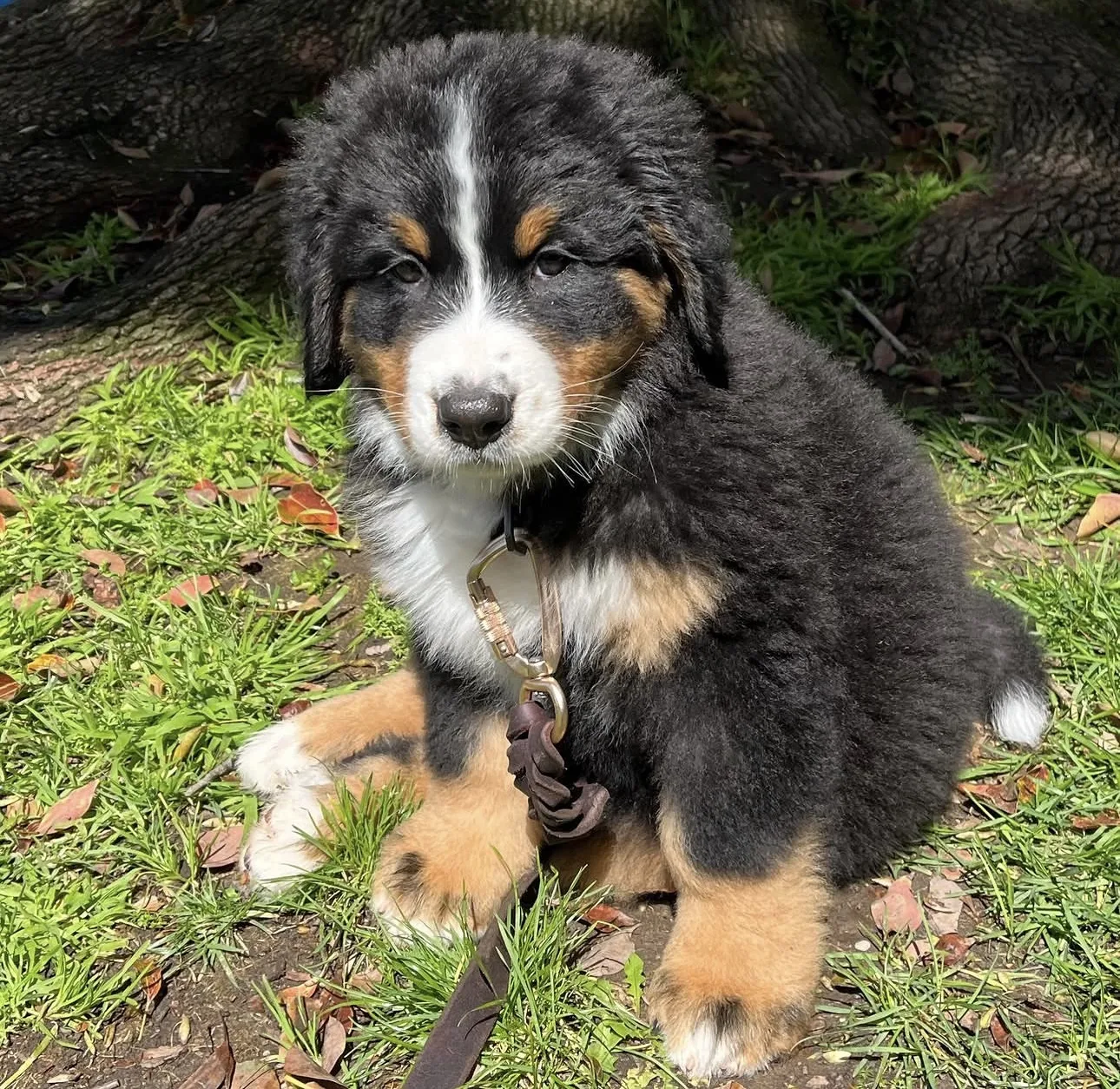
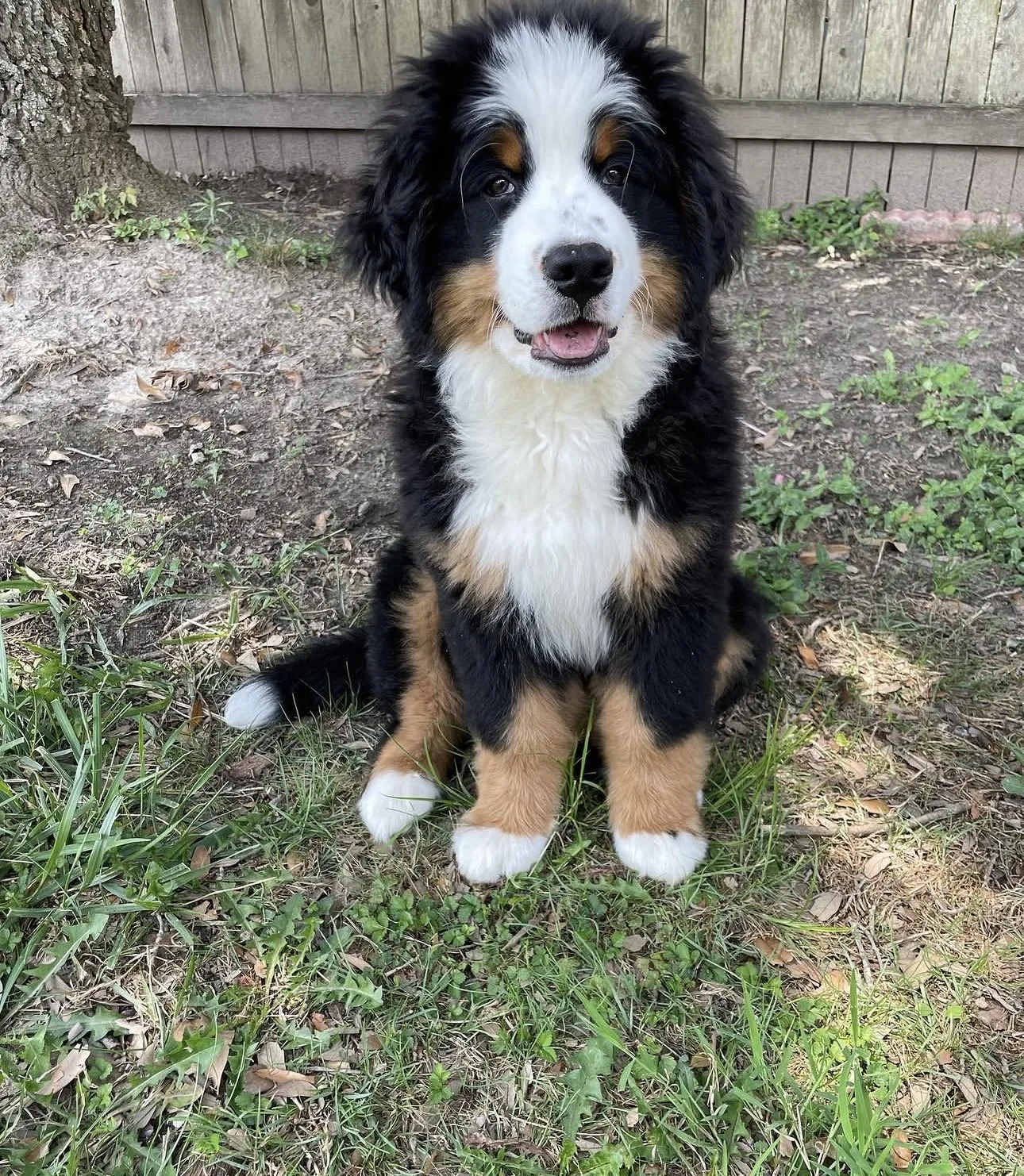
Bruno, a male Bernese Mountain Dog puppy for sale at Bernese Mountain Dogs Kennel

Bruno

Male 12 Weeks

$800

Available Inquire About Bruno
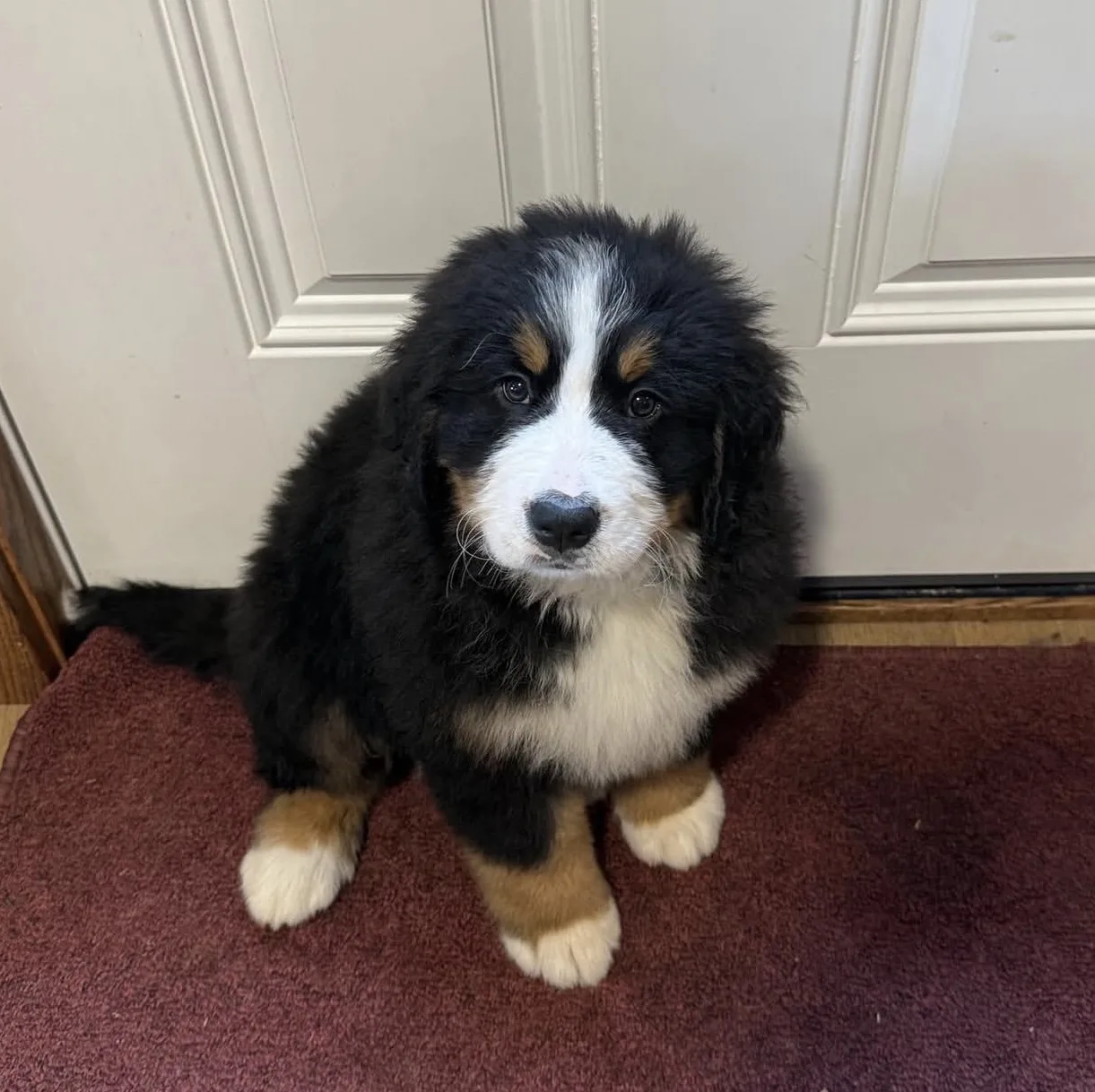
Suzzy, a female Bernese Mountain Dog puppy for sale at Bernese Mountain Dogs Kennel

Suzzy

Female

$800

Available Inquire About Suzzy
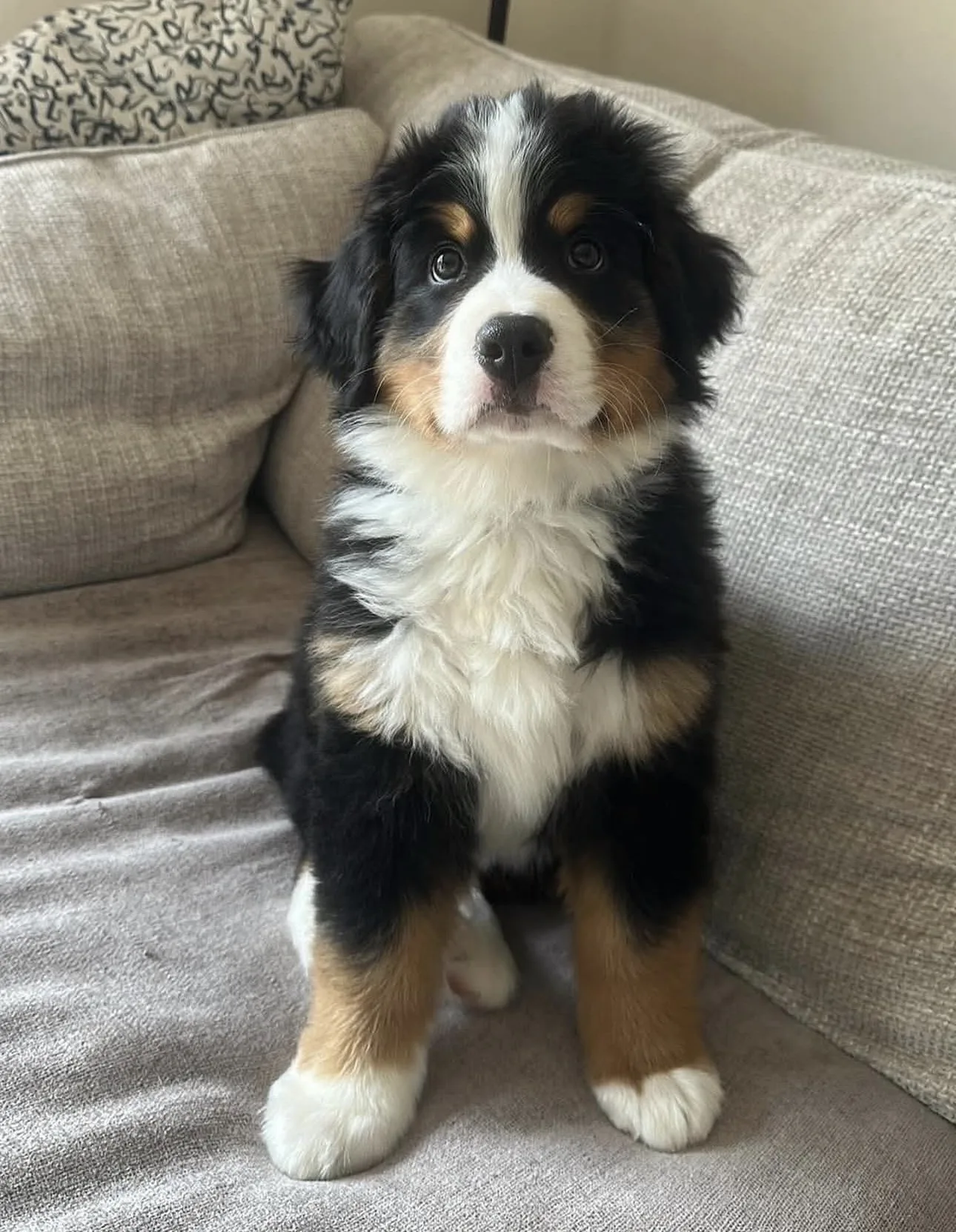
Shermen, a female Bernese Mountain Dog puppy for sale at Bernese Mountain Dogs Kennel

Shermen

Female

$800

Available Inquire About Shermen
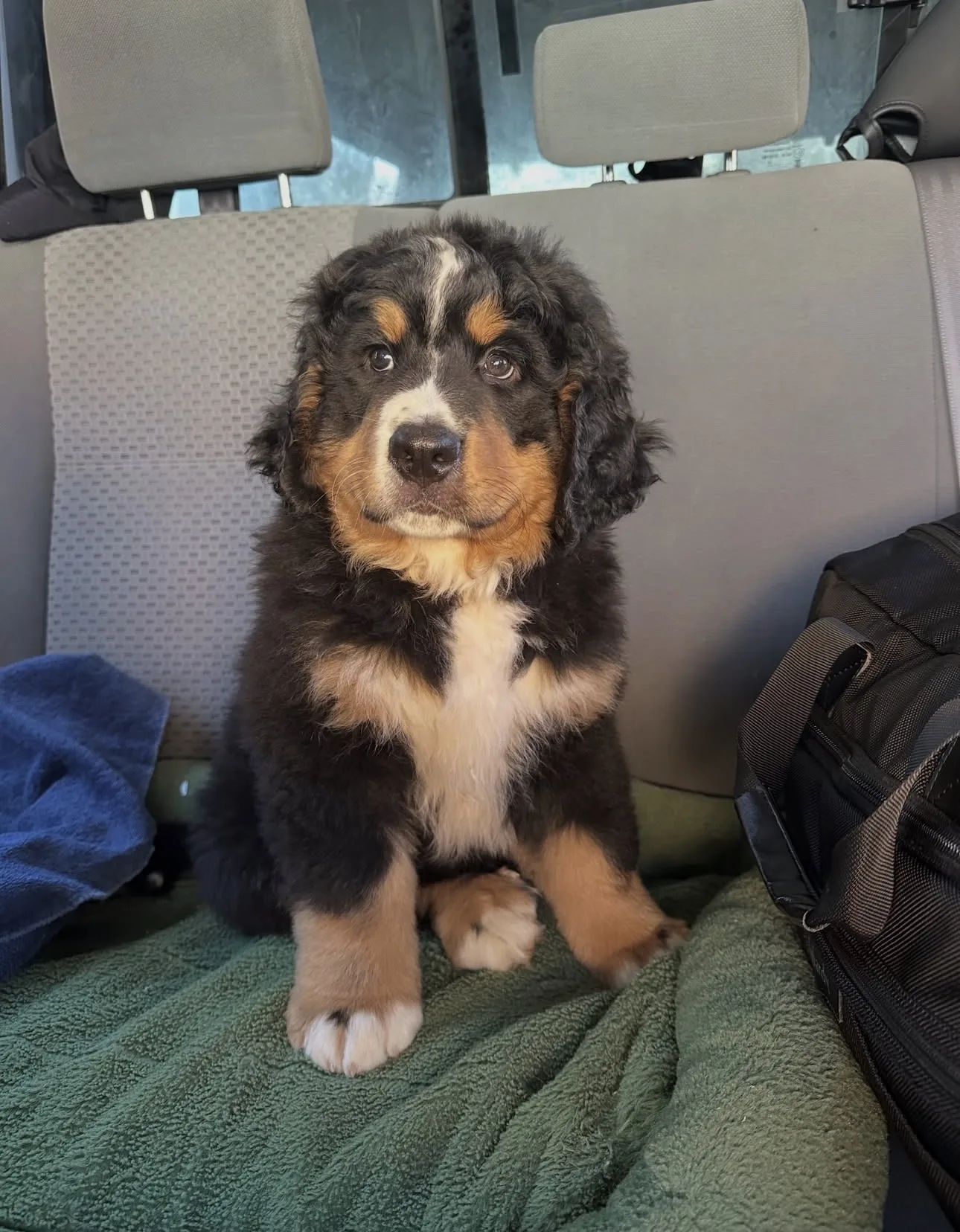
Troy, a male Bernese Mountain Dog puppy for sale at Bernese Mountain Dogs Kennel

Troy

Male

$800

Available Inquire About Troy
Tank, a male Bernese Mountain Dog puppy for sale at Bernese Mountain Dogs Kennel

Tank

Male

$800

Available Inquire About Tank
Esty, a female Bernese Mountain Dog puppy, sold, at Bernese Mountain Dogs Kennel Sold

Esty

Female

$800

Sold Sold
Erling, a male Bernese Mountain Dog puppy for sale at Bernese Mountain Dogs Kennel

Erling

Male

$800

Available Inquire About Erling

Why families choose us

What Sets Our Bernese Mountain Dogs Apart

Responsible breeding is not a marketing phrase at Bernese Mountain Dogs Kennel. It is a commitment we demonstrate through published health records, structured socialization, and a relationship with every family that lasts the life of the dog.

Published Health Testing

We test for hips, elbows, cardiac conditions, eyes, Von Willebrand's Disease, and degenerative myelopathy. All results are published on the OFA database and Berner-Garde with direct verification links. We never ask you to take our word for it.

View our health testing protocol

Home-Raised Puppies

Every puppy is born and raised inside our home. They are handled daily from birth and exposed to household sounds, different surfaces, gentle visitors, and age-appropriate challenges that build genuine confidence.

See our socialization timeline

Written Health Guarantee

Every puppy comes with AKC registration, first vaccinations, deworming, a microchip, a veterinary health exam, a written health guarantee, and a puppy starter pack to help them settle into their new home.

See what is included

Lifetime Breeder Support

Our relationship with your family does not end at pickup. We provide ongoing guidance on nutrition, training, health questions, and behavioral concerns for the entire life of your dog. You are never on your own.

Learn about our commitment

The parents

Meet Our Bernese Mountain Dogs

Every puppy inherits its health, temperament, and structure from its parents. Meet Choco and Mel, the pair behind our puppies. Both are OFA health tested with published records you can verify independently.

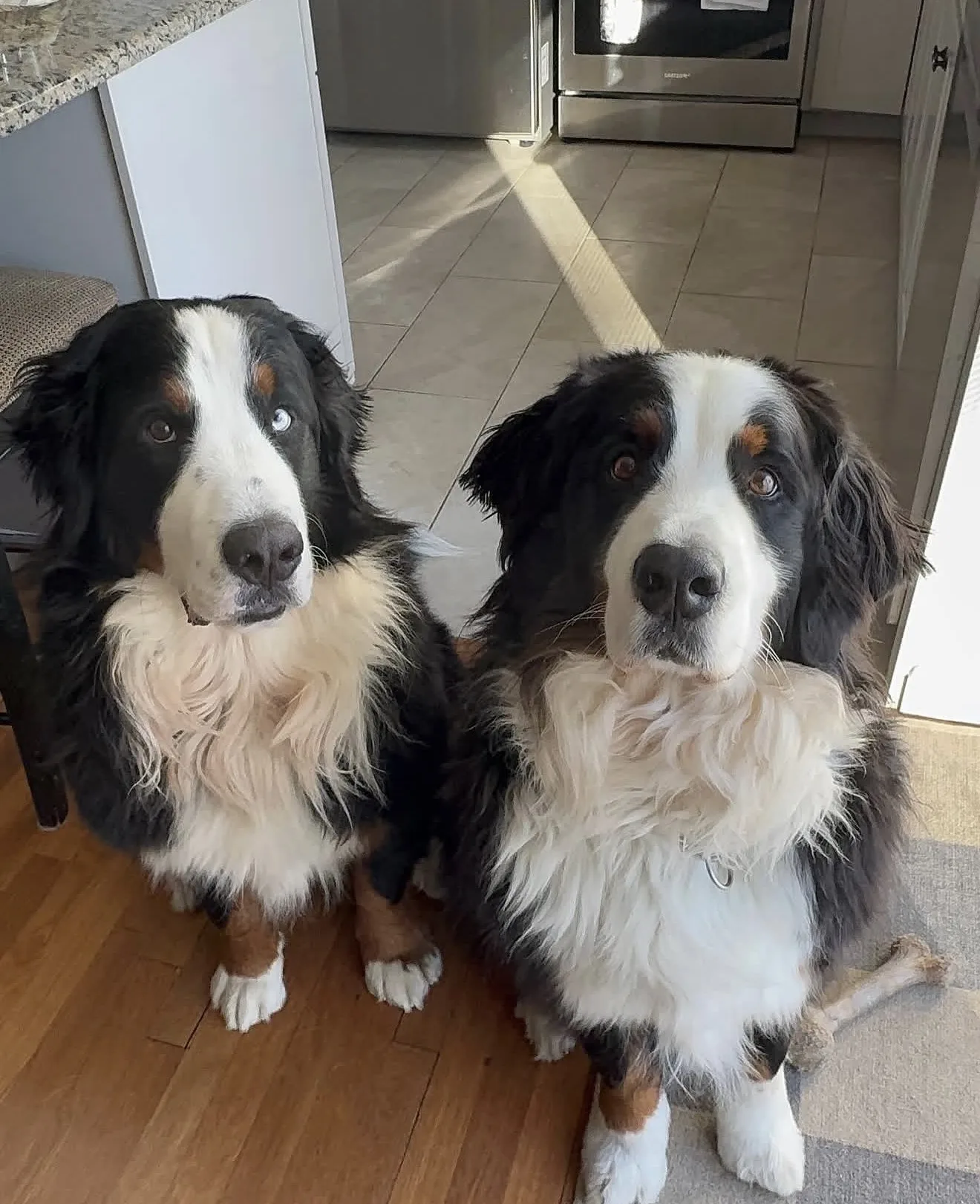
Choco and Mel, Bernese Mountain Dog parents at Bernese Mountain Dogs Kennel
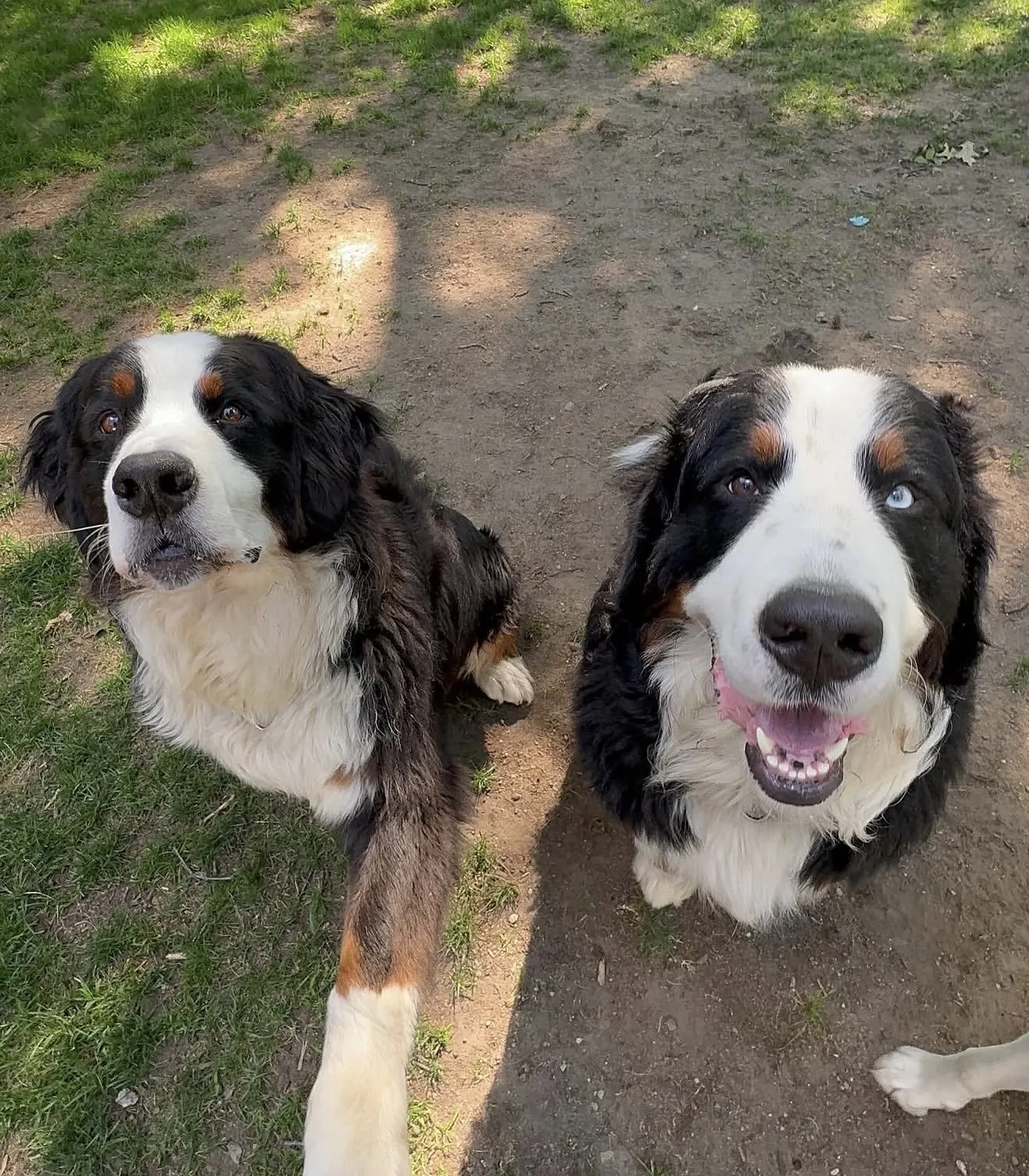
Choco and Mel, Bernese Mountain Dog pair at Bernese Mountain Dogs Kennel, different angle

Choco and Mel

The pair behind our puppies. Both are AKC registered, fully health tested, and raised as part of our family.

C

Choco

Sire (Male)

✓ OFA Hips: Good ✓ OFA Elbows: Normal ✓ Cardiac: Clear ✓ Eyes: Clear ✓ vWD: Clear ✓ DM: Clear
M

Mel

Dam (Female)

✓ OFA Hips: Good ✓ OFA Elbows: Normal ✓ Cardiac: Clear ✓ Eyes: Clear ✓ vWD: Clear ✓ DM: Clear

Choco is a strong, confident male with a calm presence and a natural affection for children. Mel is gentle, attentive, and deeply loyal. Together they produce puppies with exceptional temperament, sound structure, and a clean health profile across all tested conditions. Both dogs live in our home as part of the family and are handled and socialized daily.

Complete breed guide

The Bernese Mountain Dog: Everything You Need to Know


Origin and History

The Bernese Mountain Dog originated in the canton of Bern in the Swiss Alps, where it served as an all-purpose farm dog for centuries. Berners herded cattle, guarded property, and pulled carts of dairy products to market, earning them the nickname "cheese dogs" among local farmers. The breed is one of four tri-colored Swiss Sennenhund breeds, alongside the Greater Swiss Mountain Dog, the Appenzeller, and the Entlebucher.

Professor Albert Heim formed a breed club in 1907 to preserve the Bernese after their numbers began declining due to agricultural modernization. The first Bernese Mountain Dogs arrived in the United States in 1926, brought by a Kansas farmer who recognized their extraordinary working ability and gentle disposition. The American Kennel Club officially recognized the breed in 1937, placing it in the Working Group where it remains today. As of 2024, the Bernese Mountain Dog ranks 19th in AKC popularity, which is a testament to the breed's exceptional temperament and striking beauty.

Appearance and Size

The Bernese Mountain Dog is large, sturdy, and well-balanced. Males stand 25 to 27.5 inches at the shoulder and weigh 80 to 115 pounds. Females are slightly smaller at 23 to 26 inches and 70 to 95 pounds. They carry a distinctive tri-color double coat that makes them one of the most visually striking breeds in the world. The base color is jet black, with rich rust-brown markings above the eyes, on the cheeks, chest, and legs, and bright white markings on the muzzle, chest, and tail tip. The white chest marking often forms the shape of a Swiss cross, which is considered a hallmark of the breed.

The coat is long, thick, and slightly wavy. It is stunningly beautiful and also a serious commitment. Bernese shed heavily year-round, and prospective owners need to be genuinely prepared for that reality before bringing one home.

Temperament and Personality

If there is one word that defines the Bernese Mountain Dog, it is gentle. These dogs are remarkably calm, patient, and affectionate. They are widely considered one of the best large breeds for families with children because they tolerate the noise and unpredictability of young kids with a steady patience that few breeds can match. They are loyal to their families, friendly with strangers once properly introduced, and generally get along well with other dogs and household pets.

Berners are intelligent and eager to please, which makes them responsive to positive training methods. However, they are also sensitive dogs who do not respond well to harsh corrections or raised voices. Patient, consistent, reward-based training produces the best results with this breed.

One trait that every prospective Bernese owner needs to understand is their deep need for human companionship. These are not dogs that thrive when left alone for long hours. They were bred to work alongside humans all day, and that desire to be near their people runs deep. Bernese left alone regularly for extended periods may develop separation anxiety, which can manifest as destructive behavior, excessive barking, or house-training regression. If your household is empty for most of the day, this breed may not be the right fit. That is an honest assessment, not a sales tactic.

Male and female Bernese can differ slightly in personality. Males tend to be more outgoing, playful, and sometimes clownish well into adulthood. Females often mature faster and can be more reserved, though they are equally affectionate and loyal. Both make wonderful companions.

Health and Lifespan: An Honest Conversation

Every prospective Bernese Mountain Dog owner deserves complete honesty about this breed's health profile. The Bernese has a relatively short lifespan of 7 to 10 years, which is shorter than many breeds of comparable size. The primary reason is a higher-than-average predisposition to certain cancers, particularly histiocytic sarcoma, which affects Bernese at a rate significantly higher than the general dog population. This breed is sometimes called the "heartbreak breed" because owners form such deep bonds with their dogs and face a comparatively short time together.

Beyond cancer, other health concerns include hip and elbow dysplasia, which are common in large breeds and can cause pain and mobility issues. Gastric dilatation-volvulus, commonly known as bloat, is a life-threatening emergency that can affect deep-chested breeds like the Bernese. Von Willebrand's Disease is a blood-clotting disorder that can be identified through DNA testing. Degenerative myelopathy is a progressive spinal condition that can also be screened for genetically. Various eye and cardiac conditions round out the list of breed-specific concerns.

This is precisely why health testing matters so much when choosing a breeder. Responsible breeders test for every condition where a validated test exists, publish the results publicly, and make breeding decisions based on the full health picture of both parents and their extended pedigrees. No breeder on earth can guarantee that a puppy will never develop cancer or other health issues. However, rigorous testing and informed breeding decisions are the best tools available to improve the odds. At Bernese Mountain Dogs Kennel, we publish all of our health testing results with direct links to the OFA database so you can verify every claim yourself.

Grooming and Shedding

The Bernese double coat is beautiful, and it sheds constantly. This is not an exaggeration or a gentle warning. Bernese Mountain Dogs are among the heaviest shedding breeds. Year-round shedding is a daily reality, with two heavier "blowout" periods during seasonal changes when the undercoat comes out in large clumps. If you are not genuinely prepared to find dog hair on your furniture, clothing, car seats, and occasionally your food, this breed will test your patience.

Regular brushing is essential. Aim for a minimum of two to three times per week, and switch to daily brushing during heavy shedding periods. This manages loose hair, prevents matting, and keeps the coat healthy. Bathing is needed only when the dog is dirty or every couple of months. Nails should be trimmed every two to three weeks, ears checked weekly for signs of infection, and teeth brushed regularly. Many owners find that a professional grooming session every six to eight weeks is helpful for thorough undercoat removal and overall coat maintenance.

For more detailed coat care information, read our complete Bernese Mountain Dog grooming guide.

Exercise Needs

Bernese Mountain Dogs need moderate daily exercise, typically 30 to 60 minutes of activity. They enjoy walks, hiking, and outdoor exploration, and many Berners excel at carting, which connects to their working heritage. They are not a hyperactive breed, and most are content to relax at home after getting their daily activity.

Exercise management for puppies is critically important. Because Bernese are a large breed with slower skeletal development, excessive high-impact exercise during the first 12 to 18 months can damage developing growth plates and joints. Running on hard surfaces, repetitive jumping, and prolonged stair climbing should be limited during this growth period. Short, controlled walks on soft ground and supervised play sessions are appropriate for young puppies.

Bernese are sensitive to heat. Their thick double coat makes them uncomfortable in hot weather, and exercise should be limited to cooler parts of the day during summer months. They are naturally suited to moderate and cold climates and genuinely thrive in cooler weather. Learn more in our exercise needs guide.

Training

Bernese Mountain Dogs are intelligent and genuinely want to make their owners happy, which makes them responsive to training. They learn quickly when training is consistent, patient, and based on positive reinforcement. Treats, praise, and clear expectations work far better with this breed than any form of correction or intimidation. Bernese are sensitive dogs who can shut down emotionally under harsh handling.

Early socialization is critical and cannot be overstated. Puppies should be exposed to a wide variety of people, environments, sounds, surfaces, and experiences during their first four months. A well-run puppy class provides structured socialization alongside basic obedience training and is one of the best investments a new owner can make.

Common training challenges include leash pulling, a tendency to mouth and chew during puppyhood, and occasional stubbornness when asked to do something they find uninteresting. These are powerful dogs, so teaching loose-leash walking early is especially important. Patience and consistency overcome all of these challenges. Most Berners are eager students once they understand what is being asked. Our training guide covers breed-specific approaches in detail.

Feeding and Nutrition

Bernese Mountain Dog puppies require a large-breed-specific puppy formula that supports controlled, steady growth. Rapid growth in large breeds can contribute to joint problems later in life, so feeding a diet designed to manage growth rate is genuinely important. Look for food that meets AAFCO standards specifically for large-breed puppy growth.

Adult Berners typically eat three to four cups of high-quality food per day, divided into two meals. Feeding two smaller meals rather than one large meal helps reduce the risk of bloat, which is a serious and potentially fatal concern in deep-chested breeds. Avoid vigorous exercise immediately before and after meals.

Maintaining a healthy weight is one of the single most impactful things an owner can do for a Bernese's long-term joint health and overall quality of life. An overweight Bernese puts dramatically more stress on already vulnerable joints. Your veterinarian can help you determine the ideal weight for your individual dog. Read our complete feeding guide for detailed nutrition information.

Cost of Ownership

Beyond the initial purchase price, first-year costs for a Bernese Mountain Dog typically include veterinary care such as vaccinations, spay or neuter, and wellness exams, along with food, supplies like a crate, bed, bowls, leash, and grooming tools, and training classes. First-year expenses beyond the puppy purchase often total between $2,000 and $4,000 depending on your location and choices.

Ongoing annual costs include food at roughly $800 to $1,200 for a large breed on quality nutrition, routine veterinary care at $300 to $600 per year, grooming at $200 to $500 if using professional services, and pet insurance at approximately $600 to $1,200 annually. Pet insurance is strongly recommended for this breed given the predisposition to cancer and orthopedic conditions. A single major health event can cost thousands of dollars, and policies should be purchased before any conditions are diagnosed because pre-existing conditions are excluded by all insurers.

For a complete breakdown of pricing and what is included when you purchase a puppy from Bernese Mountain Dogs Kennel, visit our pricing and process page.

Is a Bernese Mountain Dog Right for You?

A Bernese Mountain Dog may be a wonderful fit if you have adequate space for a large dog, are home for significant parts of the day, enjoy outdoor activity in moderate to cool weather, can commit to regular grooming, and are emotionally prepared for a shorter-than-average lifespan. They are exceptional family companions who are gentle with children, loyal beyond measure, and deeply affectionate.

A Bernese Mountain Dog may not be the right choice if you live in a consistently hot climate without reliable air conditioning, work long hours away from home with no one else present, are unwilling or unable to manage heavy shedding, or are not financially prepared for the potential of significant veterinary expenses. Honest self-assessment before purchasing is the most responsible thing a prospective owner can do, both for yourself and for the dog.

How to Choose a Responsible Breeder

Not all breeders are equal, and the difference between a responsible breeder and an irresponsible one can affect your dog's health and temperament for its entire life. A responsible Bernese Mountain Dog breeder health-tests every breeding dog for hips, elbows, cardiac, eyes, and genetic conditions and publishes those results where you can verify them independently on the OFA database. They raise puppies in a home environment with structured socialization from birth. They offer a written health guarantee and a take-back policy for the life of the dog. They are honest and transparent about the breed's health challenges rather than dismissing or hiding them.

Warning signs of breeders to avoid include always having puppies available with no waitlist, refusing to show health testing documentation, pricing puppies significantly below the market range for health-tested dogs, being unwilling to let you visit their property, or pressuring you to make quick decisions with non-refundable deposits. AKC registration alone does not indicate quality. It only confirms the puppies were born to registered parents and meet basic breed standard criteria.

We encourage every buyer to verify our claims independently. Our breeding dogs' health records are linked directly to their public OFA database entries. Read our complete guide to choosing a responsible Bernese Mountain Dog breeder.

Bernese Mountain Dog Rescue and Adoption

Not every Bernese Mountain Dog comes from a breeder, and not every family looking for a Bernese needs a puppy. Rescue organizations across the country place Bernese Mountain Dogs that have been surrendered, rescued from puppy mills, or found in shelters. The National Bernese Mountain Dog Rescue Network, BFW Rescue, and regional BMDCA rescue committees all do important work finding new homes for Berners in need.

Adoption fees typically range from $250 to $1,200 depending on the dog's age and health needs. Rescue dogs are usually adults rather than puppies, and many come from difficult backgrounds that require patience and understanding during their adjustment period. For families open to an adult dog and willing to provide a stable, loving home, adopting a rescue Bernese is a meaningful choice. Learn more in our guide to Bernese Mountain Dog rescue and adoption.
Pricing

How Much Does a Bernese Mountain Dog Cost?

We believe in complete pricing transparency. Responsible Bernese Mountain Dog breeding requires significant investment in health testing, veterinary care, nutrition, and time. That investment is reflected in the cost of a well-bred puppy.

Per puppy

$2,500 to $4,500

AKC limited registration. Written health guarantee included.

  • AKC registration
  • Age-appropriate vaccinations
  • Deworming protocol
  • Microchip
  • Veterinary health exam
  • Written health guarantee
  • 8 weeks of socialization
  • Puppy starter pack
  • Lifetime breeder support
  • Take-back guarantee

Why Responsible Breeding Costs More

Health testing every breeding dog costs thousands of dollars before a single litter is born. Add veterinary care throughout pregnancy, premium nutrition, dedicated socialization time, and the commitment to raising each puppy in our home, and the true cost of responsible breeding becomes clear. The price you pay reflects this investment in your puppy's health and future.


First-Year Cost of Ownership

Beyond the purchase price, expect to invest $2,000 to $4,000 in your first year. This covers veterinary visits, vaccinations, spay or neuter, food, a crate, bedding, grooming supplies, and training classes. We strongly recommend pet insurance, which typically runs $600 to $1,200 per year for a Bernese Mountain Dog. See our full cost breakdown.


Deposit and Reservation Process

We require a deposit to reserve a puppy from a current or upcoming litter. The deposit is applied toward the total purchase price. Full details about deposit amount, payment methods, and our reservation timeline are available on our pricing page. You can also contact us directly to discuss availability.

How we raise our puppies

From Birth to Your Home

Every puppy at Bernese Mountain Dogs Kennel spends its first eight weeks in our home, following a structured development and socialization program designed to produce confident, well-adjusted dogs.

1

Weeks 1 and 2

Neonatal period

Daily weight monitoring, gentle handling, and a warm, quiet environment. Puppies nurse, sleep, and begin developing their senses. We start early neurological stimulation exercises during this period to build resilience and adaptability.

2

Weeks 3 and 4

Transitional period

Eyes and ears open and the world comes alive. First wobbly steps begin. Introduction to soft sounds, light handling by family members, and scent exposure. Puppies begin interacting with their littermates and developing early social bonds.

3

Weeks 5 and 6

Socialization begins

Novel surfaces, household sounds, gentle visitors, and supervised exploration of new spaces. Puppies begin learning bite inhibition through litter play. Individual personalities start to emerge clearly during this important stage.

4

Weeks 7 and 8

Preparation for home

Temperament evaluation, first veterinary exam, vaccinations, and microchip. Individual attention to assess each puppy's personality and match them thoughtfully with the right family for their unique temperament and energy level.

Our story

How Bernese Mountain Dogs Kennel Began

It started with a single dog and a family that did not know how much their lives were about to change.

Years ago, we brought home our first Bernese Mountain Dog. Her name was Bella, and she had a way of leaning her entire body against your legs when she wanted attention, which was always. She slept at the foot of our bed. She greeted our children at the school bus every afternoon. She somehow made our already full house feel more complete than it had ever been.

Bella taught us what this breed is really about. Not just the striking beauty or the impressive size, but the quiet, steady devotion that makes a Bernese unlike any other dog. She would rest her head on our youngest daughter's lap during thunderstorms, not because she was afraid, but because she knew our daughter was. She followed us from room to room, never demanding attention, just wanting to be near. She made strangers feel like old friends within seconds of meeting them.

When we lost Bella at eight years old to the cancer that takes too many Bernese too soon, the grief was enormous. But so was the gratitude. She had given us eight years of unconditional love, and she had given us something else too. She had given us a deep respect for this breed and a determination to do right by it.

That is how Bernese Mountain Dogs Kennel began. Not as a business plan, but as a promise. A promise to honor the breed that had given our family so much by raising puppies the way they deserve to be raised: in a home, with love, from parents who have been tested for every health condition we can screen for. A promise to be honest with every family about what this breed needs, what it costs, and what the health realities are, because we believe that honesty is the foundation of every good breeder and buyer relationship.

Today, our program is still small and intentional. We breed a limited number of litters each year because we refuse to compromise on the individual attention each puppy receives. Our dogs are not kennel dogs. They sleep in our house, ride in our car, and are genuinely part of our family. We know each of them not just by their health records and pedigrees, but by their personalities, their quirks, and the funny things they do that make us laugh every day.

Every puppy that leaves our home carries a piece of Bella's legacy with it. We may not be the biggest kennel, and we are certainly not the cheapest. But we are a family that loves this breed deeply and takes the responsibility of placing a living, feeling animal into your home with the seriousness it deserves.

Learn More About Our Family and Program
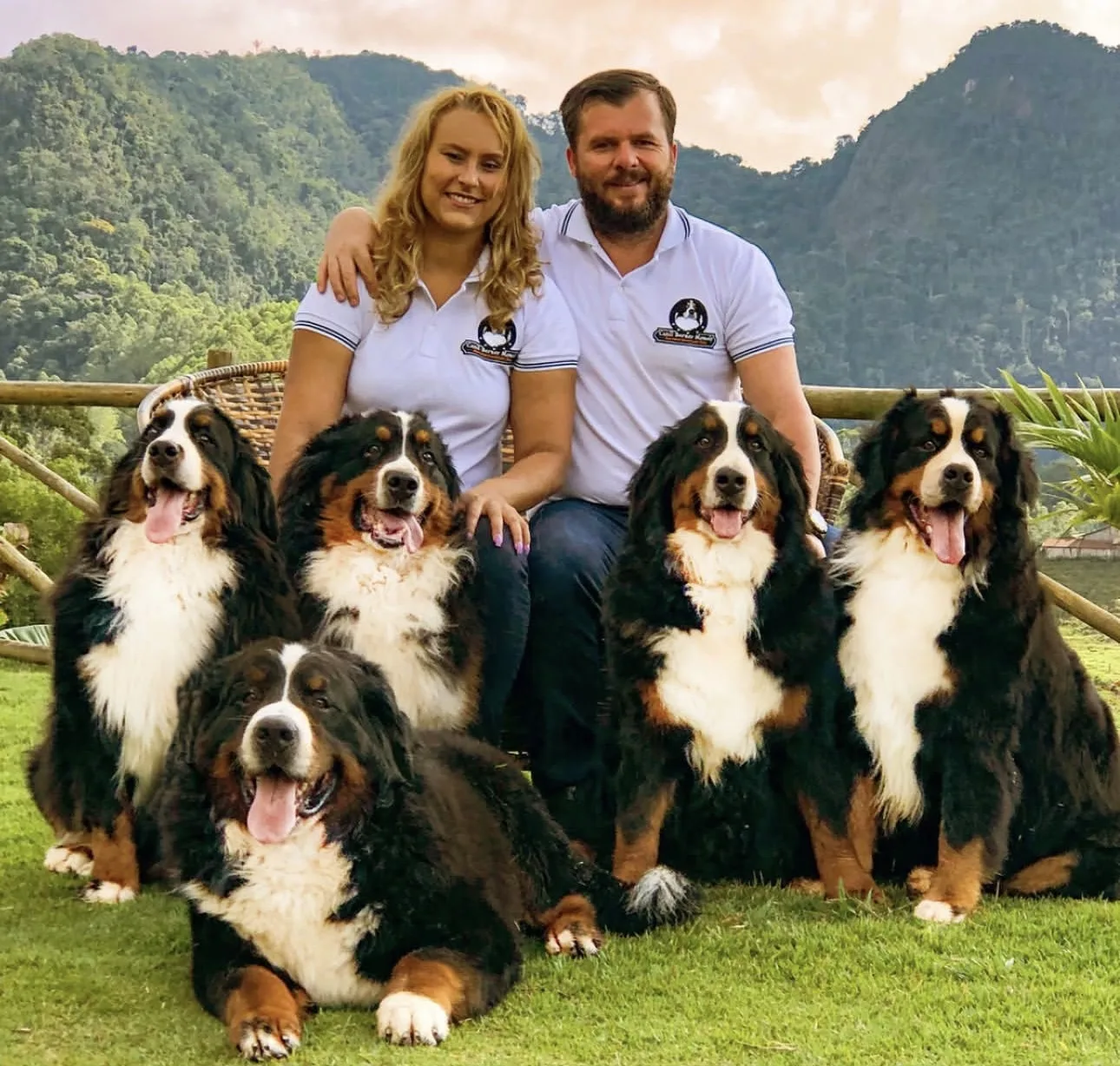
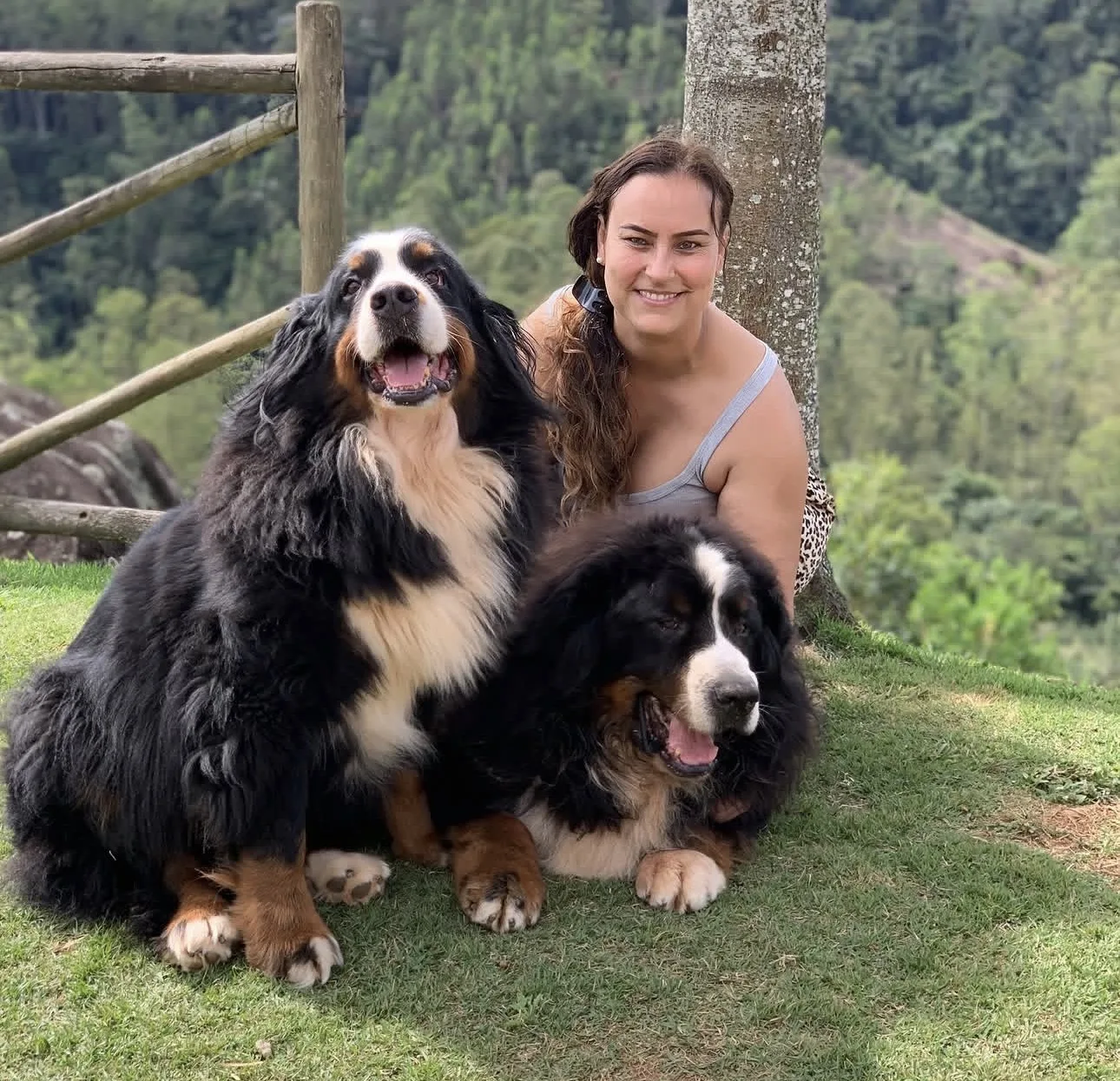
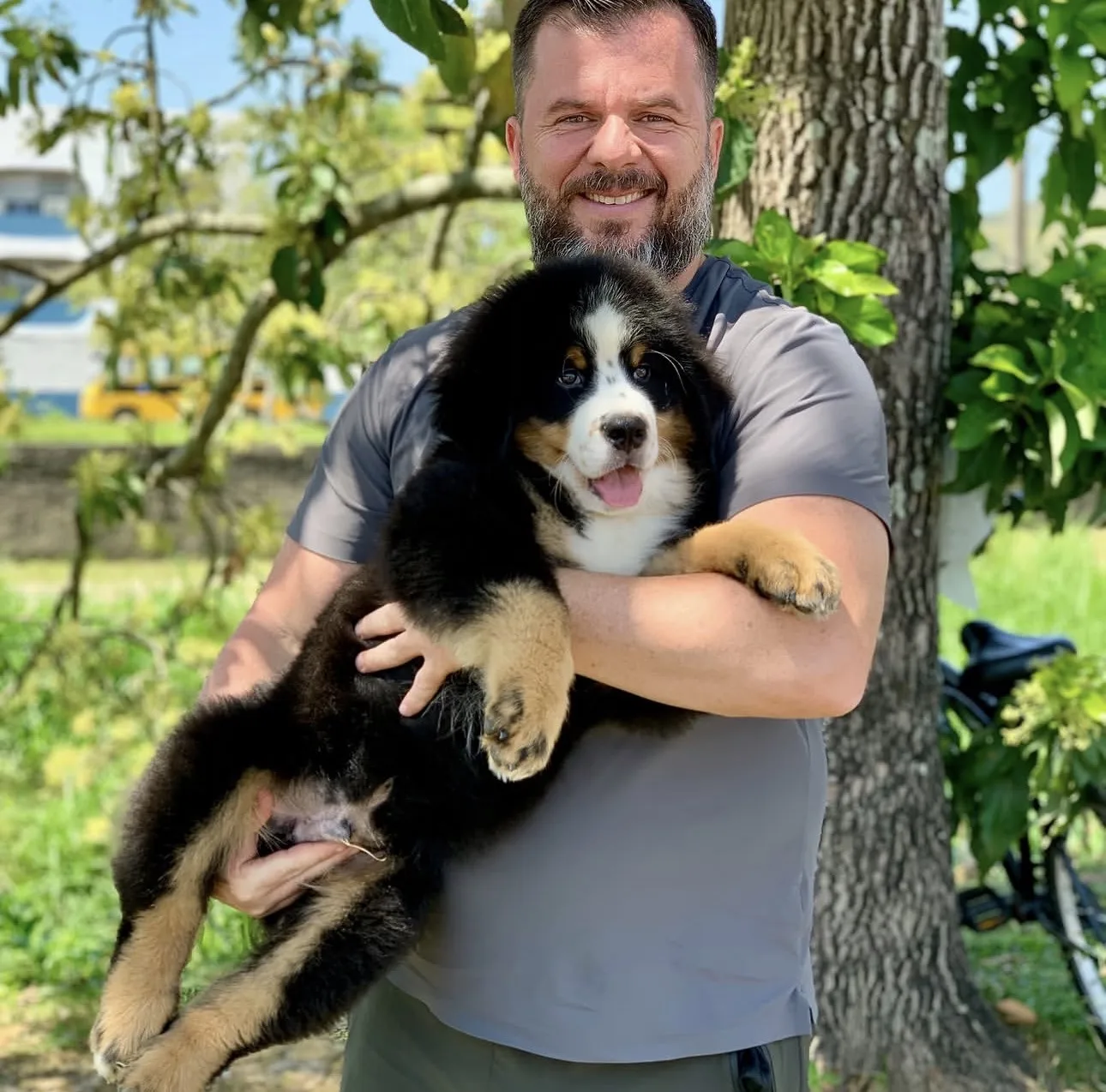
The family behind Bernese Mountain Dogs Kennel with their Bernese Mountain Dogs
Bernese Mountain Dogs enjoying the property at Bernese Mountain Dogs Kennel

From our families

What Our Puppy Buyers Say

The best measure of a breeder is not what they say about themselves. It is what their families say after bringing a puppy home.

★ ★ ★ ★ ★

"From our very first phone call, we knew we had found the right breeder. They answered every question honestly, even the hard ones about lifespan and health risks, and never once pressured us. Our boy Cooper is now two years old, healthy, happy, and the best decision our family ever made. The ongoing support has been incredible."

M

The Morrison Family

Virginia, 2024 litter

★ ★ ★ ★ ★

"What impressed us most was the transparency. We could see every health test result for both parents before we even put down a deposit. When our puppy arrived, he was already comfortable being handled, was not afraid of loud noises, and adjusted to our home within two days. You could tell he had been raised by people who genuinely cared."

T

Sarah and James T.

North Carolina, 2025 litter

★ ★ ★ ★ ★

"We lost our previous Berner to cancer at age seven and were heartbroken. When we were finally ready for another, we wanted a breeder who took health testing seriously. Not just someone who checked boxes, but someone who actually published results and explained what they meant. Bernese Mountain Dogs Kennel exceeded every expectation. Our girl Rosie is thriving."

C

The Chen Family

Pennsylvania, 2025 litter

Common questions

Frequently Asked Questions About Bernese Mountain Dogs

Honest answers to the questions prospective buyers and Bernese enthusiasts ask most often.

Our Bernese Mountain Dog puppies are priced between $2,500 and $4,500. This includes AKC registration, age-appropriate vaccinations, deworming, a microchip, a veterinary health exam, a written health guarantee, a puppy starter pack, and lifetime breeder support. Nationally, Bernese Mountain Dogs from responsible breeders who invest in comprehensive health testing typically range from $2,000 to $5,000. Puppies priced significantly below this range often come from breeders who have not invested in proper health testing, which can lead to much higher veterinary costs later. See our full pricing and cost breakdown.
Yes, comprehensively. Every breeding dog at Bernese Mountain Dogs Kennel is tested for hip dysplasia, elbow dysplasia, cardiac conditions, eye conditions, Von Willebrand's Disease, and degenerative myelopathy. All results are published on the OFA database and the Berner-Garde Foundation with direct links so you can verify every result independently. We do not ask you to trust our claims. We give you the tools to confirm them yourself. See all our health testing results and learn what each test means.
The average Bernese Mountain Dog lifespan is 7 to 10 years, which is shorter than many breeds of similar size. The primary reason is a higher predisposition to certain cancers, especially histiocytic sarcoma. This is one of the most important reasons we invest so heavily in genetic health testing and careful breeding pair selection. While no breeder can eliminate cancer risk entirely, responsible breeding decisions are the best tool available to improve health outcomes across the breed. Read our detailed guide to Bernese lifespan.
Bernese Mountain Dogs are widely considered one of the best large breeds for families with children. They are remarkably gentle, patient, and naturally protective without aggression. Their calm temperament makes them tolerant of the noise and unpredictability that comes with young kids. As with any large breed, supervision with very small children is sensible simply because of the dog's size. An excited Bernese can accidentally knock over a toddler during play. Learn more about the Bernese temperament.
Significantly. Bernese Mountain Dogs are heavy shedders year-round, with two more intense shedding periods during seasonal coat changes in spring and fall. Regular brushing two to three times per week is the minimum requirement, with daily brushing recommended during heavy shedding. If dog hair on furniture, clothing, and floors is something you genuinely cannot tolerate, this breed may not be the best fit for your household. Read our complete grooming guide.
Our waitlist typically runs three to six months depending on the time of year and our breeding schedule. We breed a limited number of litters per year to ensure every puppy receives individual attention and thorough socialization. We believe this is worth the wait, and the families who have been through the process agree. Contact us to learn about current availability and upcoming litters.
We offer several options for families who cannot pick up in person. We provide personal delivery within a reasonable driving distance and a flight nanny service for families farther away, where a trained escort accompanies your puppy on the flight. We always welcome families to visit our home and pick up their puppy in person. We do not ship puppies as unaccompanied cargo. The safety and comfort of every puppy during transport is a priority we do not compromise on.
Look for a breeder who health tests every breeding dog and publishes the results on the OFA database where you can verify them independently. They should raise puppies in a home environment with structured socialization, offer a written health guarantee, and be willing to take a dog back at any point in its life. Be cautious of breeders who always have puppies available with no waitlist, cannot provide health testing documentation, or discourage you from visiting their property. AKC registration alone does not indicate breeder quality. It only confirms the puppies were born to registered parents. Read our complete guide to evaluating breeders.
Adult male Bernese Mountain Dogs typically stand 25 to 27.5 inches at the shoulder and weigh 80 to 115 pounds. Females are slightly smaller at 23 to 26 inches and 70 to 95 pounds. Bernese grow rapidly during their first year but do not reach full physical maturity until around two to three years of age. During the growth period, exercise should be managed carefully to protect developing joints. See our size and growth guide.
It is possible but not ideal. Bernese Mountain Dogs are large, active dogs that benefit from space to move around and access to a yard. They are relatively calm indoors, which helps, but their size and exercise needs make a home with a fenced yard a better fit for most families. If you live in an apartment, you would need to commit to multiple daily walks and ensure the dog gets adequate outdoor time and mental stimulation.
No. Bernese Mountain Dogs have a thick double coat that sheds heavily throughout the year. They are not suitable for people with dog allergies. If allergies are a concern in your household, consider breeds with low-shedding coats or consult with an allergist before making a decision.
While both are large breeds with Swiss origins, they are distinct in several ways. Bernese Mountain Dogs are lighter, typically weighing 80 to 115 pounds compared to the Saint Bernard's 120 to 180 pounds. Bernese have a long tri-colored coat of black, brown, and white, while Saint Bernards come in short or long coat varieties with red and white markings. Bernese were bred as farm and cart-pulling dogs, while Saint Bernards were bred for alpine rescue. Both breeds share a gentle, family-friendly temperament, but their grooming, exercise, and space requirements differ. Compare Bernese Mountain Dogs with similar breeds.

Visit us

Visit Bernese Mountain Dogs Kennel

Bernese Mountain Dogs Kennel is located on a quiet rural property where our dogs have room to run, explore, and enjoy the outdoor life they were bred for. Our Bernese are not confined to kennels or runs. They live as part of our family, with full access to our home and property throughout the day.

We welcome prospective families to visit by appointment so you can meet our dogs in person, see where the puppies are born and raised, and ask any questions face to face. There is no better way to evaluate a breeder than to walk through their property and see how the dogs actually live.

We understand that not every family is able to visit in person, and that is perfectly fine. We are happy to arrange video calls so you can see our dogs, tour our property, and have a real conversation before making any commitments.

In-person visitsBy appointment. Meet our dogs, see our home, and ask questions in person.

Video callsFor families at a distance. Tour our property and meet our dogs from home.

Phone consultationsTalk through your questions about the breed, our program, or availability.

Flexible schedulingWe work around your availability including evenings and weekends.

Schedule a Visit
Bernese Mountain Dogs on the property at Bernese Mountain Dogs Kennel

Ready to Bring Home a Bernese Mountain Dog?

Whether you have questions about the breed, want to learn about our breeding program, or are ready to discuss puppy availability, we would love to hear from you.

Scroll to Top